
Weekends are the perfect time to refresh your space or develop a new skill without stress. Easy DIY projects help you make tangible improvements while keeping the process simple and enjoyable. These projects require minimal tools and time, making them ideal for busy schedules.
Whether you want to organize your home, create decor, or try a hands-on craft, there’s a project that fits your interests and skill level. Simple materials and clear steps ensure you can complete your project before the weekend ends.
Exploring DIY projects can also boost creativity and provide a sense of accomplishment. This article highlights accessible ideas that anyone can start and finish in a weekend without professional help.
Getting Started with DIY Projects
Starting a DIY project requires careful preparation. Having the right tools, an organized workspace, and a focus on safety will make the process smoother and more enjoyable.
Essential Tools and Materials
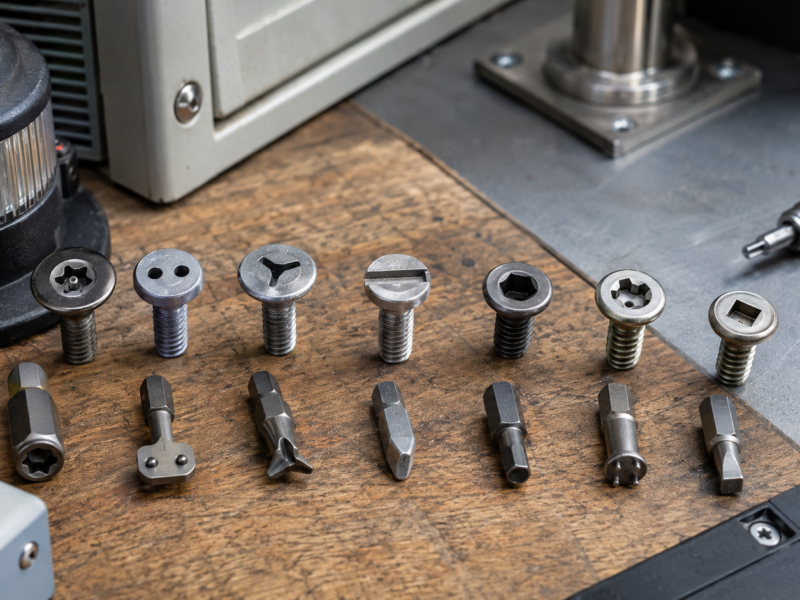
Begin with a basic toolkit including a hammer, screwdrivers (flathead and Phillips), measuring tape, and pliers. A cordless drill is highly useful for most weekend projects. Sandpaper, wood glue, nails, and screws cover common material needs.
Purchase materials based on your project plan, such as wood, paint, or fabric. Quality matters; using durable supplies leads to better results. Keep all small items like screws and nails in containers to avoid loss.
Setting Up Your Workspace
Choose a well-lit, ventilated area with enough room to move around and store tools. A sturdy workbench or table is ideal. Protect surfaces with old newspapers or a drop cloth.
Organize tools within arm’s reach and lay out materials before starting. Clear clutter regularly to prevent accidents and improve efficiency. Ensure you have easy access to power outlets if you need electrically powered tools.
Safety Tips for Beginners
Always wear protective gear such as safety glasses and gloves, especially when cutting or sanding. Avoid loose clothing that could get caught in machines.
Work in a well-ventilated space. If using paints or adhesives, ensure proper airflow or use a mask. Follow all tool instructions carefully and keep a first aid kit nearby. Never rush—take breaks if you feel tired to stay focused and alert.
Home Decor DIY Projects
Improving your living space can be simple and affordable with a few practical projects. These ideas focus on enhancing walls, adding functional shelving, and giving new life to old furniture.
Wall Art and Paint Ideas
Creating custom wall art is an effective way to personalize a room. Use canvas, wooden panels, or even recycled materials as your base. Techniques like stenciling, geometric patterns, or color blocking add visual interest without complex skills.
Try removable wallpaper or painter’s tape to create clean lines and shapes. Experiment with a limited color palette to maintain a cohesive look. For texture, consider techniques like sponging or rag-rolling.
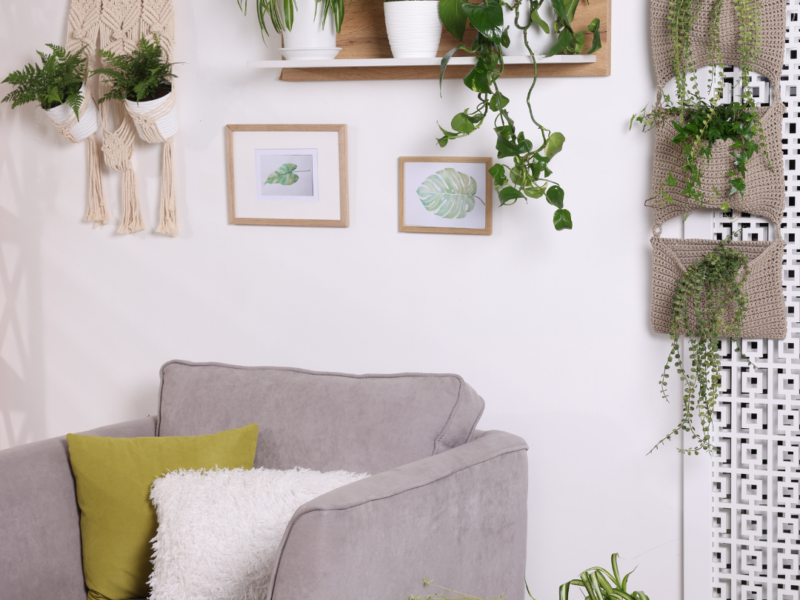
Framed photos or prints arranged in a grid or gallery-style make striking displays. Use consistent frames for a unified appearance. Hanging plants or wall-mounted planters can also add color and depth.
Easy Shelving Solutions
Shelving is both decorative and functional. Floating shelves are a popular choice because they require minimal hardware and provide clean lines. Use brackets hidden under the wood or opt for bookshelf standards for adjustable options.
Consider materials like reclaimed wood or metal pipes that fit your home’s style. For a budget option, paint basic MDF boards to look like hardwood. When installing, ensure shelves are level and anchored securely into studs.
Shelves can hold books, decor, or kitchen items. Grouping objects by size, color, or theme helps avoid clutter. Adding integrated lighting beneath shelves can enhance their visual appeal.
Revamping Old Furniture
Restoring old furniture can change the look of a room at a low cost. Start by sanding surfaces to remove old paint or varnish. Use a primer before painting to ensure an even finish.
Changing hardware, such as knobs or handles, instantly updates dressers or cabinets. Upholstering chairs with new fabric brings comfort and style. Choose durable but affordable fabric like canvas or cotton blends.
A simple technique like distressing paint can add character to wooden furniture. Testing finishes in a hidden area first to avoid unwanted results. Small repairs like tightening screws or gluing joints improve longevity.
Outdoor and Garden DIY Ideas
Transform your outdoor space with projects that improve both functionality and style. These ideas focus on enhancing garden aesthetics, upgrading patios, and adding practical lighting solutions.
Planter and Pot Projects
Building your own planters or revamping old pots is a straightforward weekend project. Use untreated wood or recycled pallets to create raised beds or simple wooden boxes. Sand and seal to prevent weather damage.
For pots, consider painting terra cotta with weather-resistant paint. Adding stencils or patterns can personalize them. Self-watering planters are a smart choice, using a water reservoir at the bottom to reduce watering frequency.
Arrange multiple planters to define walkways or corners. Grouping plants with similar watering needs simplifies maintenance and promotes healthier growth.
Patio Makeovers
A patio makeover can elevate outdoor living without a full overhaul. Start by cleaning and sealing existing surfaces to protect against wear. Adding a durable outdoor rug can define zones and add color.
Wooden pallets or cinder blocks provide inexpensive bases for seating or tables. Add cushions with outdoor fabric for comfort. Consider installing an overhead canopy or shade sail for sun protection.
Incorporate planters or small garden beds at the patio edges to create natural borders. Compact fire pits made from bricks or metal kits enhance ambiance and usability during cooler evenings.
DIY Lighting for Outdoors
Outdoor lighting improves both safety and mood. Solar-powered LED lights are cost-effective and simple to install along paths or garden edges without wiring.
For more control, use low-voltage wiring kits to set up string lights or lanterns around patios and decks. Waterproof fixtures increase durability in wet conditions.
Motion sensor lights near entrances improve security. Battery-operated candles or lanterns add soft illumination for dining areas without electricity. Combining varied lighting types creates layers and depth.
Practical DIY Projects for Organization
Maximizing space and accessibility is the focus here. Simple tools and materials can transform cluttered areas into neat, functional zones. These projects improve daily routines by creating designated spots for commonly used items.
Entryway Storage Solutions
Entryways often become catch-alls for shoes, bags, and keys. Building a wall-mounted shelf with hooks provides a tidy place to hang coats and store small essentials like wallets or mail.
A shoe rack made from repurposed crates or pallets can keep footwear organized and off the floor. Adding labeled baskets or bins beneath the rack helps separate items by family member or type.
Consider mounting a small bulletin board or chalkboard for reminders. This centralized setup reduces clutter and simplifies what is often a chaotic area.
Closet Organizers
Closets benefit from additional shelving and compartmentalization. Installing adjustable shelves or cube organizers utilizes vertical space efficiently and adapts to changing storage needs.
DIY drawer dividers made from thin wood or sturdy cardboard keep smaller items like socks and accessories separate. Hanging organizers with pockets are affordable and ideal for shoes, scarves, or jewelry.
Use clear storage bins or labeled containers for seasonal clothes. Properly organizing a closet reduces time spent searching and makes every item more accessible.
DIY Kitchen Hacks
Kitchens gain significant functionality through targeted storage upgrades. Magnetic strips mounted under cabinets or on walls keep knives and metal tools within reach but off counter surfaces.
Create pull-out spice racks using shallow shelves and sliding mechanisms for better visibility. Repurposed jars with labels for pantry staples contribute to neatness while maintaining style.
Install tension rods inside cabinets for hanging pot lids or cleaning supplies. This project uses typically wasted space and improves efficiency during meal prep and cleanup.
Weekend Craft Projects
This section highlights practical projects that are easy to accomplish over a weekend. The focus is on using available materials creatively, making unique personalized items, and crafting decorations that suit the current season.
Upcycling and Recycling Crafts
Upcycling involves transforming old or discarded items into something useful or decorative. For example, turning glass jars into candle holders or planters requires minimal tools and produces functional home accents.
Recycling crafts might include repurposing cardboard boxes into drawer organizers or decorative storage bins. These projects reduce waste and often save money, while allowing for personal customization with paint, fabric, or other materials.
Starting with simple materials like tin cans, fabric scraps, or wooden pallets lets beginners test their creativity without heavy investment. Clean and prepare materials first to ensure safety and better results.
Personalized Gifts
Creating personalized gifts adds meaning beyond a store-bought item. For instance, hand-painted mugs or customized photo frames make memorable presents that reflect the recipient’s tastes.
Using simple techniques such as embroidery, decoupage, or vinyl cutting can elevate everyday objects into custom keepsakes. Writing short, heartfelt notes or attaching tags adds a finishing touch.
This approach suits people who want thoughtful yet budget-friendly gifts. Taking a few hours to personalize an item often results in a more appreciated and lasting impression.
Seasonal Décor Items
Seasonal décor projects help refresh home ambiance in alignment with current holidays or weather changes. Crafting wreaths from natural materials or decorating pumpkins are common weekend tasks.
Focus on using materials like pinecones, dried flowers, or colored paper, depending on the season. These items can be easily found or collected around the house and outdoor spaces.
Simple additions such as seasonal-themed garlands or table centerpieces can transform a room efficiently. The key is to keep designs straightforward so the project finishes during the weekend timeframe.
Tips for Successful DIY Weekends
Effective planning and project selection make DIY weekends productive and enjoyable. Managing your time wisely and picking projects suited to your abilities are key steps toward achieving your goals without frustration.
Time Management Strategies
Start by setting clear, realistic goals for the weekend. Break projects into smaller tasks with estimated times for completion. This helps avoid feeling overwhelmed and keeps progress on track.
Use a checklist or planner to schedule specific time slots. Include breaks to avoid burnout. Prioritize high-impact tasks early when energy is highest.
Limit distractions by preparing your workspace before starting. Have all materials and tools ready to prevent delays. If a task exceeds its time allotment, decide whether to pause or simplify it.
Choosing Projects for Your Skill Level
Select projects that match your current skills to ensure efficiency and safety. Overly complex projects may lead to mistakes or loss of motivation.
Begin with beginner-friendly tasks that build foundational skills. Gradually increase difficulty as confidence grows. Use online tutorials or guides that explain steps clearly.
Evaluate required tools and materials before starting. Avoid projects that need specialized equipment if you don’t have access to it. Opt for projects that can be completed with basic tools to reduce costs and complexity.
Resources for DIY Inspiration
Finding the right inspiration is key to starting any weekend DIY project. Online platforms offer vast collections of ideas suitable for all skill levels. Websites like Pinterest, Instructables, and DIY Network provide step-by-step guides and photos that can spark creativity.
Books and magazines remain reliable resources. Titles focused on woodworking, home decor, or simple crafts can be found at local libraries or bookstores. Look for recent publications to get updated techniques and materials.
Video tutorials are also valuable. Channels on YouTube and specialized platforms offer visual demonstrations, making complex projects easier to follow. These videos often include tips and tricks from experienced DIYers.
Below is a quick list of popular sources:
| Resource | Description | Best For |
| Visual ideas and project boards | Inspiration & Planning | |
| Instructables | Detailed guides and user submissions | Step-by-step instructions |
| DIY Network | Professional project tutorials | Home improvement |
| YouTube | Video tutorials on various projects | Visual learning |
| Local Libraries | Books and magazines | Research and skill-building |
Using multiple resources can improve understanding and offer different perspectives on the same project. Keep notes or bookmarks to track useful ideas for future weekends.