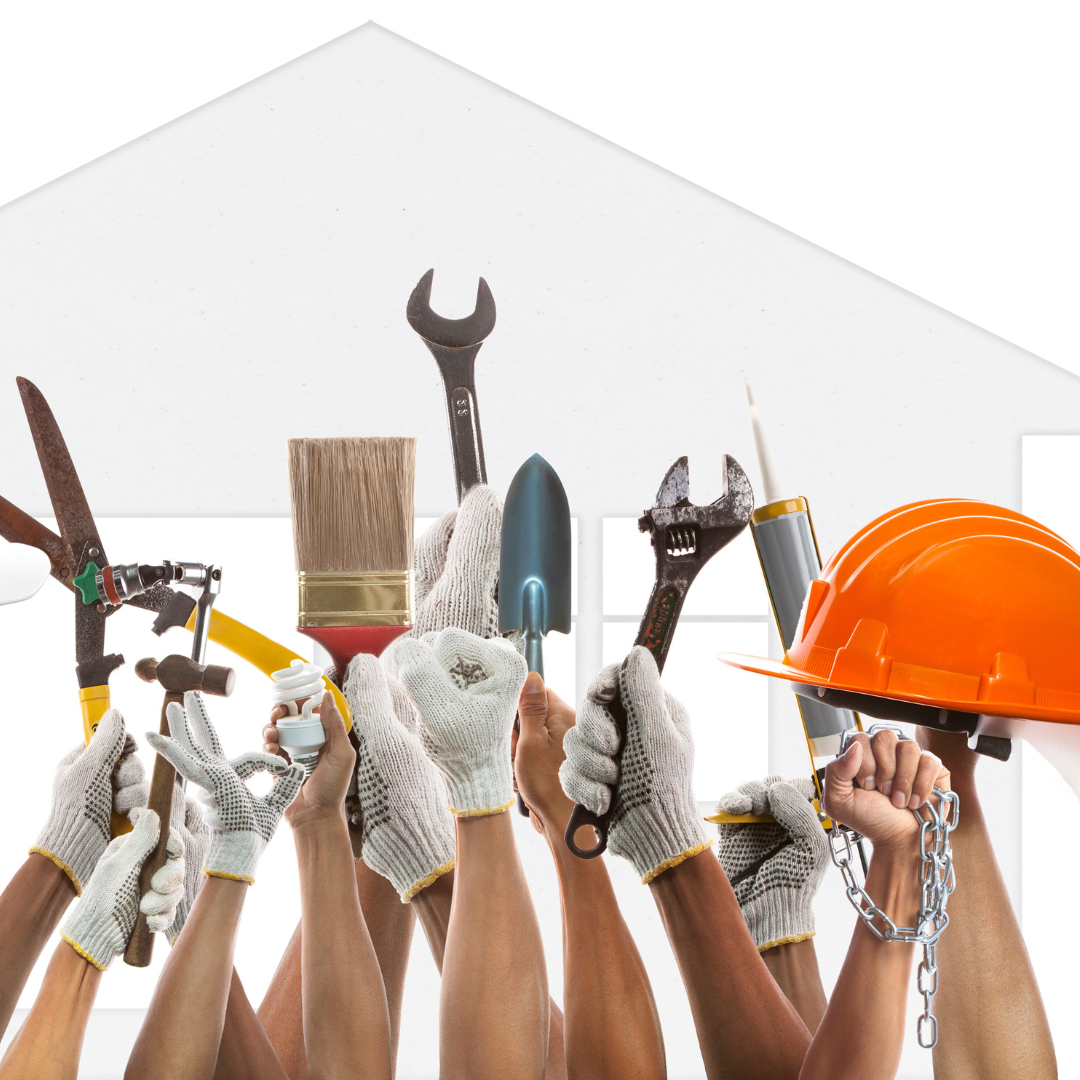
Starting a DIY project requires having the right tools on hand to get the job done efficiently and safely. Knowing which tools to invest in can save time and frustration as you build your skills.
A basic beginner DIY tool checklist includes essential items like a hammer, screwdriver set, tape measure, level, utility knife, and adjustable wrench. These tools cover most simple home repairs and projects without overwhelming you with unnecessary gear.
With these essentials, you’ll be prepared to tackle common tasks and build confidence for more complex projects over time. This guide will help you understand what to buy and why each tool matters.
Essential Hand Tools for Beginners
Starting a DIY toolkit requires selecting hand tools that offer versatility and ease of use. Focus on tools that help with fastening, measuring, cutting, and basic pounding tasks. Quality and comfort are key attributes to consider for long-term use.
Screwdrivers
A good screwdriver set typically includes flathead and Phillips head types in multiple sizes. Flathead screwdrivers fit slotted screws, while Phillips types handle cross-shaped screws designed for deeper, more secure engagement.
Look for screwdrivers with ergonomic, non-slip handles to provide better grip and reduce hand fatigue. Magnetic tips are useful for holding screws in place, especially when working in tight or awkward spaces.
Investing in a multi-bit screwdriver can save space and money, as it allows quick swapping of bits. A set with common sizes—like #1 and #2 Phillips and 1/4-inch and 3/16-inch flatheads—is sufficient for most beginner projects.
Hammer
A claw hammer is the best choice for general home use. The flat side drives nails, while the curved claw on the back helps remove them. A 16-ounce hammer balances weight and control for beginners, making it easier to swing accurately without tiring quickly.
Consider a hammer with a fiberglass or steel handle that absorbs shock well. Wood handles can break easily, while metal handles may transmit more vibration to the hand.
Using the right hammer reduces the risk of damage to materials and injury. Aim for a smooth face hammer for finishing tasks, as textured faces can leave marks on wood.
Tape Measure
A tape measure should have a minimum length of 25 feet to accommodate most household projects. Look for one with a sturdy locking mechanism to hold the tape in place when measuring.
Bold and clear markings in both imperial and metric units increase flexibility. A durable, reinforced blade with nylon coating resists wear and prevents rusting.
Choose a tape measure with a belt clip for easy access and a curved blade to prevent bending while extended. A standout (the length the tape holds without bending) of at least 7 feet is ideal for solo measuring tasks.
Utility Knife
A utility knife is essential for cutting materials such as cardboard, plastic, and drywall. Choose one with a retractable blade for safety and easy storage.
Blades should be replaceable, and snap-off types are convenient for maintaining sharpness. A sturdy grip with a textured handle ensures control and reduces slipping.
Look for knives featuring blade-locking mechanisms to prevent accidental blade movement during use. Keeping extra blades on hand improves efficiency and safety during ongoing projects.
Basic Power Tools to Get Started
Choosing the right tools is essential when beginning DIY projects. Key power tools offer versatility, ease of use, and improve efficiency for common tasks like drilling, sanding, and cutting.
Cordless Drill
A cordless drill is a must-have for drilling holes and driving screws in various materials. Look for one with adjustable speed settings and a clutch to control torque, which helps prevent overdriving screws or damaging surfaces.
Battery life is important; lithium-ion batteries are preferred for longer use and faster charging. A drill with a keyless chuck allows quick bit changes, increasing productivity. Common drill bit sizes to own include 1/16″, 1/8″, and 1/4″ for versatility.
Ergonomics and weight affect comfort during extended use. Choose a drill with a balanced grip to reduce hand fatigue.
Orbital Sander
An orbital sander smooths wood surfaces quickly and prepares them for finishing. Its random orbit movement minimizes swirl marks compared to other sanders.
Select a sander with variable speed control to adapt to different materials and tasks. Look for a dust collection system or port to attach a vacuum, which keeps the work area clean and reduces airborne particles.
Common abrasive grit options range from 80 (coarse) to 220 (fine), covering rough sanding to final smoothing. A palm-friendly design and low vibration enhance comfort and control.
Jigsaw
A jigsaw provides versatility for cutting curves, straight lines, and intricate shapes in wood, metal, and plastic. Its maneuverability makes it suitable for many DIY cutting needs.
Focus on variable speed control and orbital action settings to optimize cutting performance on different materials. Tool-free blade changing is convenient for switching between blade types like wood, metal, or general-purpose.
Blades vary in tooth count and style; finer teeth create smoother cuts, while coarser teeth cut faster. Ensure the jigsaw has a sturdy base plate for stability and to prevent kickback during cutting.
Measuring and Marking Equipment
Accurate measurements and clear markings are essential for any DIY project, ensuring parts fit correctly and your work looks professional. Two fundamental tools that help achieve precision are the speed square and the level. Both are compact, easy to use, and often indispensable on the job site or at home.
Speed Square
A speed square is a versatile triangular tool that combines several functions, including measuring angles, marking straight lines, and acting as a saw guide. It is usually made from aluminum or plastic, with clear markings for degrees and common rafter cuts. Its compact size fits easily in a tool belt or pocket.
To use a speed square, place the lip against the edge of your workpiece. This ensures the tool stays firmly in place while you mark lines or angles. The built-in degree markings help make quick 45° and 90° cuts, which are common in framing and carpentry. Speed squares often have a pencil notch that guides your pencil for consistent marking.
Level
Levels ensure that surfaces are perfectly horizontal (level) or vertical (plumb). A basic level contains one or more vials filled with liquid and an air bubble. When the bubble is centered between the markings, the surface is level or plumb.
Levels come in various sizes, but a 24-inch level is a good starting point for beginners. For precision, look for an easy-to-read vial and a sturdy frame that resists warping. Some levels include magnetic strips to hold onto metal surfaces during marking or installation. Using a level reduces guesswork in aligning shelves, frames, cabinets, and more, preventing uneven or crooked results.
Cutting and Fastening Tools
These tools allow you to cut materials accurately and attach parts securely. Precision, grip, and adjustability are crucial features to consider for effective DIY work.
Handsaw
A handsaw is essential for cutting wood and some plastics. Look for one with a comfortable handle to reduce hand fatigue during extended use. The tooth count determines the type of cut: fewer teeth per inch (TPI) for faster, rough cuts, and more teeth for smoother, precise cuts.
For general DIY, a saw with 10-12 TPI suffices. Keep the blade sharp to ensure clean cuts and minimize effort. Handsaws are manually powered, making them safe and cost-effective for beginners.
Pliers
Pliers are versatile tools used for gripping, twisting, and cutting wire or small objects. Choose a pair with a sturdy build and insulated grips for comfort and safety.
There are different types—needle-nose for precision and slip-joint for adjustable jaws. Identify the job to determine which type fits best. A quality pair should open and close smoothly without wobbling.
Adjustable Wrench
An adjustable wrench fits various bolt and nut sizes, reducing the need for multiple fixed wrenches. Look for one with a smooth, easy-to-turn adjustment mechanism.
The jaw width range and handle length affect the grip and torque. Metal construction with a non-slip grip improves control. Keep the wrench clean and lightly lubricated for longevity.
Safety Gear and Precautions
Proper protection is essential for any DIY project. Essential gear minimizes the risk of injury and helps maintain focus during tasks involving tools and materials.
Safety Glasses
Safety glasses protect your eyes from flying debris, dust, and accidental splashes. Choose glasses with impact-resistant lenses that meet ANSI Z87.1 standards for reliable protection.
Look for models with side shields for additional defense against particles coming from the sides. Make sure they fit snugly but comfortably to avoid slipping during work.
Regular glasses or sunglasses do not offer sufficient protection when working with power tools, chemicals, or sanding. Safety glasses reduce the risk of serious eye injuries, making them a vital part of your toolkit.
Work Gloves
Work gloves shield your hands from cuts, abrasions, and splinters. Select gloves made from durable materials like leather or synthetic blends, depending on the type of work.
Leather gloves are ideal for heavy-duty tasks such as handling rough wood or metal. Synthetic gloves offer better flexibility and are suitable for light assembly or precision work.
Ensure gloves fit well to avoid reduced dexterity or accidents caused by loose material. Check gloves frequently for wear and replace them as soon as signs of damage appear to maintain effective protection.
Tool Storage and Organization
Proper storage helps maintain tool condition and speeds up project work. Using the right systems keeps tools accessible and prevents clutter. Two common and effective methods are portable toolboxes and wall-mounted pegboards.
Toolbox
A toolbox offers a compact, portable option to organize essential tools. Look for one with multiple compartments or trays to separate items like screwdrivers, pliers, and measuring tape. This prevents smaller tools from getting lost or damaged.
Choose a toolbox made of durable plastic or metal for long-term use. Consider size based on your typical projects—larger boxes hold more tools but are heavier to carry. Locking mechanisms add security, especially if tools are stored in shared spaces.
Keeping frequently used items in the top tray or easily reachable sections saves time. Label compartments if possible to streamline locating tools during tasks.
Pegboard System
A pegboard system is ideal for displaying tools visibly and keeping them within easy reach. Mount the board on a workshop wall and use hooks, shelves, and bins designed for pegboards to hold various tools and accessories.
Arrange tools by frequency of use or type for efficient access. For instance, place hammers and screwdrivers near your main workbench; store drill bits or sanding blocks in small bins hung on the pegboard.
This method saves floor space and reduces drawer clutter. A solid pegboard material like metal or hardboard supports heavier tools without warping. Customize the layout as your tool collection grows or changes.
Optional Upgrades for Future Projects
Certain tools can enhance precision and stability in your DIY work as you take on more advanced tasks. These items improve safety and accuracy, making complex projects easier to manage.
Stud Finder
A stud finder helps locate framing studs behind drywall, essential for securely anchoring heavy objects. It uses sensors to detect changes in wall density.
Using a stud finder reduces the risk of drilling into empty spaces or electrical wiring. For beginners, an electronic model with visual or audio signals is easiest to operate.
Some models include additional features like metal detection or wire detection, adding versatility. Prices vary, but investing in a reliable stud finder improves project outcomes considerably, especially when mounting shelves, TVs, or cabinets.
Clamps
Clamps hold materials firmly in place during cutting, gluing, or assembly, preventing movement that leads to errors. There are various types: bar clamps, C-clamps, and spring clamps, each suited to different tasks.
Bar clamps are ideal for woodworking projects, providing adjustable tension for wide or long pieces. Spring clamps work well for quick holding needs on smaller parts.
Using clamps frees up your hands and increases joint strength when the glue dries. Select clamps with non-marring pads to protect surfaces and ensure tight grips for consistent results.