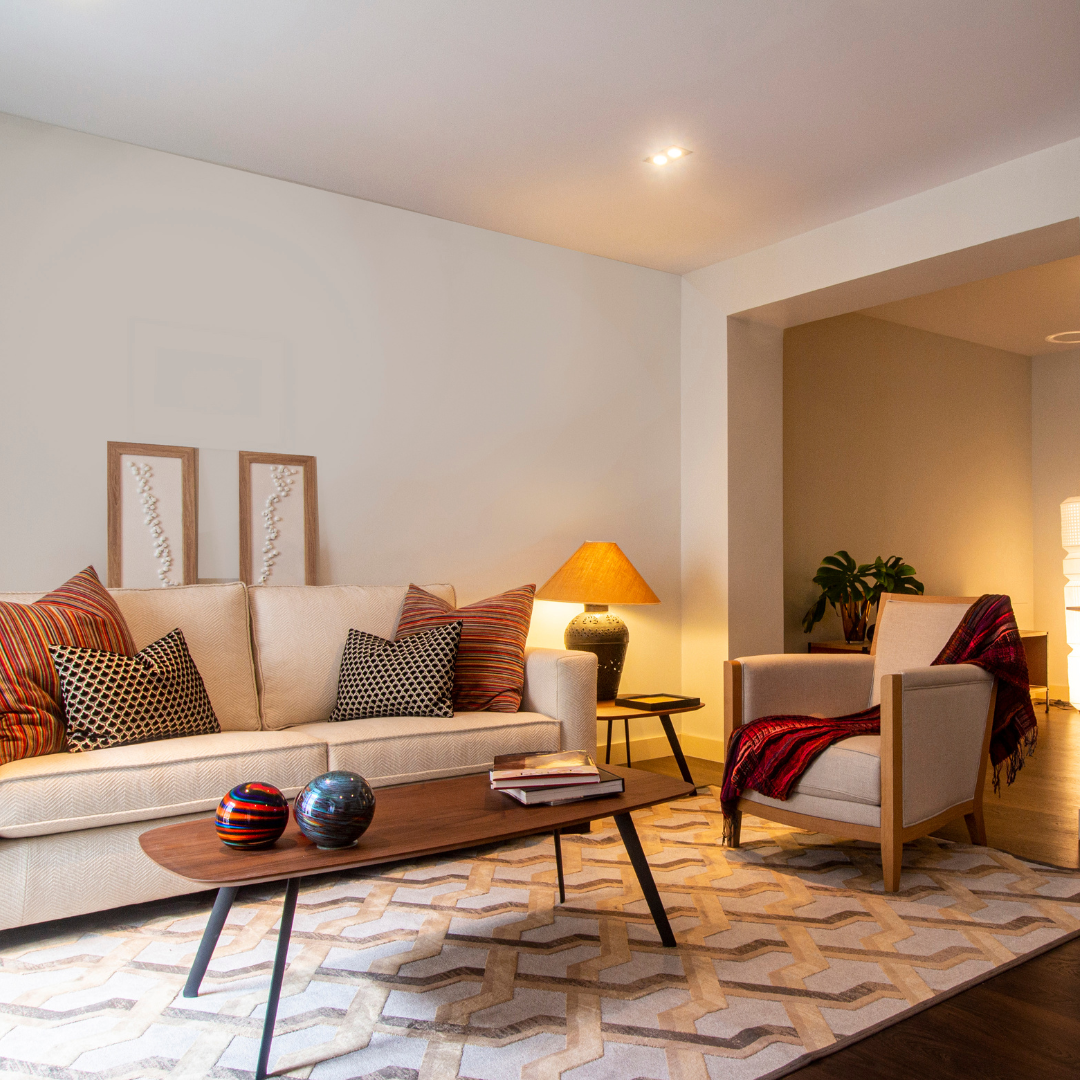
The living room serves as the heart of any home, where personal style and comfort converge. Exploring creative ways to personalize this space can transform it from ordinary to truly reflective of one’s personality and lifestyle. A well-decorated living room not only enhances aesthetics but also creates an inviting atmosphere for family and friends.
Incorporating unique elements into home decor is essential for making a living room feel special. From custom artwork to meaningful collections, individuals can easily express their taste and history while maintaining functionality. By focusing on personalization, they can create a space that resonates with their identity and enhances the overall living experience.
Setting the Tone with Color and Materials
Choosing the right colors and materials significantly impacts the ambiance of a living room. Carefully selected hues and textures can create warmth, comfort, and style, allowing for a personalized space that reflects individual tastes.
Choosing Your Colour Palette
A well-coordinated color palette is fundamental to living room decor. Neutral tones such as beige, gray, and soft whites serve as a strong base. They promote a calming atmosphere and allow other elements to shine.
To add depth, accent colors can be introduced through cushions, rugs, or wall art. Bold hues like navy, emerald, or terracotta can invigorate a space when used sparingly. This technique adds personality without overwhelming the room.
Creating a harmonious flow is essential. Ensure that the chosen colors complement each other and match the overall style of the home. Testing samples in different lighting will help finalize the perfect combination.
Incorporating Natural Materials
Natural materials enhance the texture and visual appeal of a living room. Wood, stone, and textiles bring warmth, grounding the atmosphere. For example, reclaimed wood furniture adds character and sustainability.
Stone elements, like a coffee table or decorative accents, introduce an organic touch. They can contribute to a modern, rustic, or eclectic vibe, depending on the design choices.
Textiles made from natural fibers like cotton, wool, or linen can soften the space. A mix of these materials in throws, cushions, and curtains provides tactile contrast and visual interest. Prioritizing these elements fosters a connection to nature, enhancing the overall comfort of the living area.
Furniture That Adds a Personal Touch
Incorporating unique furniture selections can enhance the character of a living room. By focusing on statement pieces and blending style with functionality, one can create a space that reflects personal taste and comfort.
Selecting Statement Pieces
Choosing statement furniture can serve as a focal point in a living room. Items like a vintage armchair or a handcrafted coffee table can evoke a sense of individuality.
Considerations for Statement Pieces:
- Style: Select furniture that either contrasts with or complements the existing decor.
- Materials: Unique finishes or textures can add depth. For example, a reclaimed wood table introduces warmth.
Furniture should invite conversation. A bold piece encourages guests to engage and appreciate the design.
Mixing Function and Style
Combining practical furniture with stylish designs maximizes both aesthetics and usability.
Options that blend both elements include:
- Unique Seating: Incorporating ottomans or floor cushions can offer casual seating and versatility. These can be moved easily to accommodate guests.
- Stools: Stylish stools can serve as additional seating or side tables, especially in smaller spaces.
- Window Seats: Built-in window seats provide a cozy area for relaxation while enhancing room appeal.
By choosing multipurpose furniture, one creates a living room that is both stylish and functional, making the space more inviting.
Accessorizing for Uniqueness and Comfort
Creating a living room that feels both unique and comfortable involves thoughtful accessorizing. Using elements like curtains for privacy and adding extra seating options enhances the space and lets personal style shine through.
Enhancing Privacy with Curtains
Choosing the right curtains can elevate both the aesthetics and privacy of a living room. Heavier drapes in rich colors provide a sense of intimacy and can effectively block out outside distractions. Sheer curtains, while offering some privacy, allow natural light to filter through, creating a bright and airy feel.
Considerations for Curtain Selection:
- Fabric: Choose materials like velvet for a luxurious look or linen for a casual vibe.
- Length: Floor-length curtains can make ceilings appear higher and add drama.
- Pattern: A patterned fabric can serve as a statement piece in a neutral room.
These choices can influence the overall atmosphere, making the area feel personal and inviting.
Adding Cozy Extra Seating Options
Incorporating extra seating can make a living room more functional and welcoming. Options like poufs, armchairs, or even a loveseat can provide flexibility for gatherings. This not only accommodates more guests but also invites relaxation.
Suggestions for Extra Seating:
- Poufs: Lightweight and versatile, they can be moved easily to suit any occasion.
- Accent Chairs: Choose chairs in bold patterns or colors to create focal points.
- Benches: A long bench can double as both seating and a decorative piece, especially in small spaces.
Opting for seating with varying textures can add depth and comfort to the room, ensuring it remains a cozy retreat.
Effective Layouts for Small Living Spaces
Maximizing space in a small living area requires thoughtful design and strategic placement of furniture. By considering specific layouts and creative solutions, one can achieve a functional and inviting environment.
Optimizing Space with Smart Furniture Placement
In small living spaces, furniture arrangement plays a crucial role in maximizing functionality. It is essential to choose pieces that complement each other while keeping ample circulation space.
- Multi-functional furniture: Consider a sofa bed or an ottoman with storage. These options help save space while providing additional utility.
- Floating shelves: Installing shelves above furniture can free up floor space. This allows for decorative displays without crowding.
- Zoning with rugs: Use area rugs to create distinct zones, which can aid in defining areas for different activities, such as lounging or dining.
Strategic placement can open up the room visually. Arrange seating to face each other to foster conversation and connection.
Creative Solutions for Small Areas
Creativity is vital when dealing with limited living space. Innovative approaches allow for both style and practicality.
- Nesting tables: These can be pulled out when needed and tucked away afterward, saving valuable surface area.
- Corner furniture: Items like corner sofas or triangle shelves utilize often-overlooked areas effectively.
- Wall-mounted desks: For small offices or study areas, a wall desk can provide workspace without taking up floor area.
Incorporating vertical storage options, such as tall bookshelves, draws the eye upward, making the space feel larger. These solutions enhance both aesthetics and function in compact living environments.